Learning. Not Judgement.
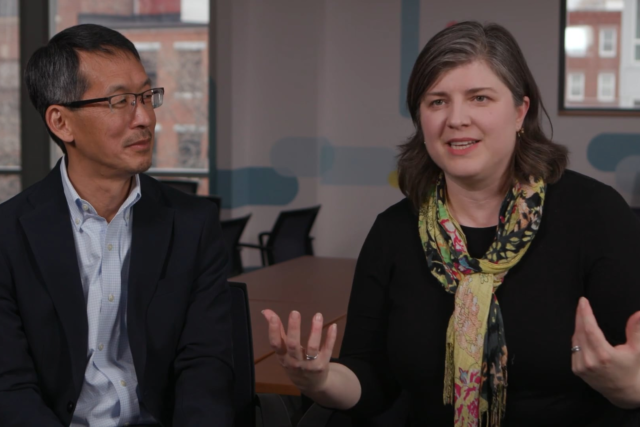
Roger and Yvonne discuss learning and evaluation as tools for shared learning and greater impact for the Foundation, its grantees, and the fields in which we work.
Through learning and evaluation, we seek meaningful, actionable, and manageable insights to inform our strategies and the field.
At Barr, we support learning activities at multiple levels.
The mission for our Learning & Evaluation Team is to support a culture and practice of learning alongside our grantees, using evidence to inform our decisions, evaluating our work, advancing equity, and holding ourselves accountable.
We intentionally put “learning” first in our team’s name to reflect our primary purpose: to make continual strategic learning an integral part of Barr’s culture.
We support learning and evaluation activities that are meaningful, actionable, manageable, and equitable.
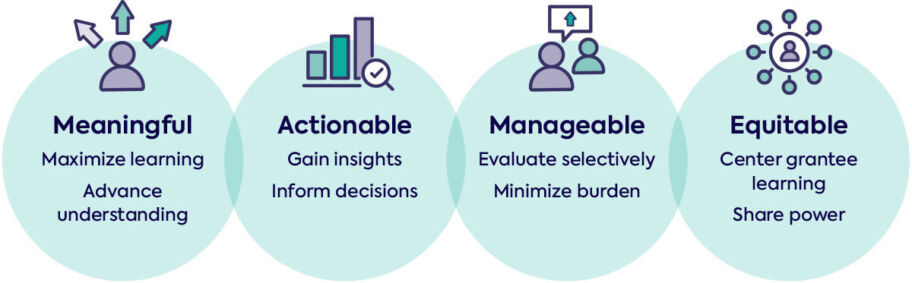
Our learning and evaluation activities aim to produce relevant information on questions that support foundation and grantee learning and advance understanding in our fields.
We emphasize learning and evaluation approaches that recognize the complexity of systems change work and the reality that the greatest impact comes when we listen, learn, and adjust along the way, such as formative or developmental evaluation. This way, Barr and our grantees learn together about what is working well and when a new approach is needed. We also invest significantly in outcome measurement, to gauge whether conditions are changing, and to gain insight into potential factors leading to, or impeding positive change.
Much of Barr’s grantmaking is for general operating support, where grants don’t define specific outcomes. We strive to provide flexibility and to minimize reporting requirements, so that grantees can focus on doing their work, rather than measuring and reporting to us. This has led us to shift learning practices.
We focus on questions and information that can be applied directly to increase the impact of an intervention or strategy. As part of our strategic learning process, each program team has identified a set of medium- and long-term outcomes that they believe would indicate meaningful progress toward their strategy goals. We collect data on these to shed light on the progress they are making, and to inform adjustments to our approach. Recent examples of actionable information include Climate polling on natural gas and the Education program’s use of Indicators of School Quality.
In major initiatives where we engage evaluation consultants to help us assess our progress, our grantees are our partners in learning. Such evaluations (like this one related to high school transformation) are designed to provide insight to Barr and its grantees about our collective progress, to capture key lessons, and to note opportunities for improvement. In these multi-year partnerships, taking action based on feedback from our grantees is essential to ensuring that Barr’s support is effective and responsive to sector needs.
Our activities are structured to maximize learning and minimize burdens on our partners and staff. The most important step here is to spend time up front to think deeply about the most critical few pieces of information we need (vs. the universe of data that would be “nice” to have), for what purposes and audiences. Too often, evaluation and measurement start with trying to anticipate all the possible information one might want, resulting in costly, complex, and difficult processes.
One of the key ways we aim to maximize learning at the grant level is by linking grant outcomes to the grantee reporting process. This is a collaborative process; in the grant application phase, many grantees co-design outcomes with their program officer, and these outcomes ultimately shape reporting requirements. We strive to ensure that these outcomes are meaningful, realistic to measure within the grant time frame, and focused on what is important to grantees and not just the foundation.
For more information and examples, explore this resource on creating outputs and outcomes, Kerri Hurley's blog on our grant application process and CEP's blog on removing grantee burdens.
We are examining our learning and evaluation practices through an equity lens. As a Practice Partner with the Equitable Evaluation Initiative, we recognize our responsibility as a funder to shift and influence the way in which evaluation is practiced and used, meaning that we seek to align our evaluation practices with Barr’s commitment to equitable grantmaking, and that we use evaluation as a tool for advancing equity, in alignment with the Equitable Evaluation Framework.
Our Learning and Evaluation team also supports our grantmaking teams in analyzing the type and level of funding dedicated to organizations led by people of color and organizations with an explicit focus on racial equity and sharing those results, such as through this blog post from our Director of Climate.
Our Director of Learning and Evaluation shares three changes to make learning and evaluation efforts more beneficial to our partners and others.
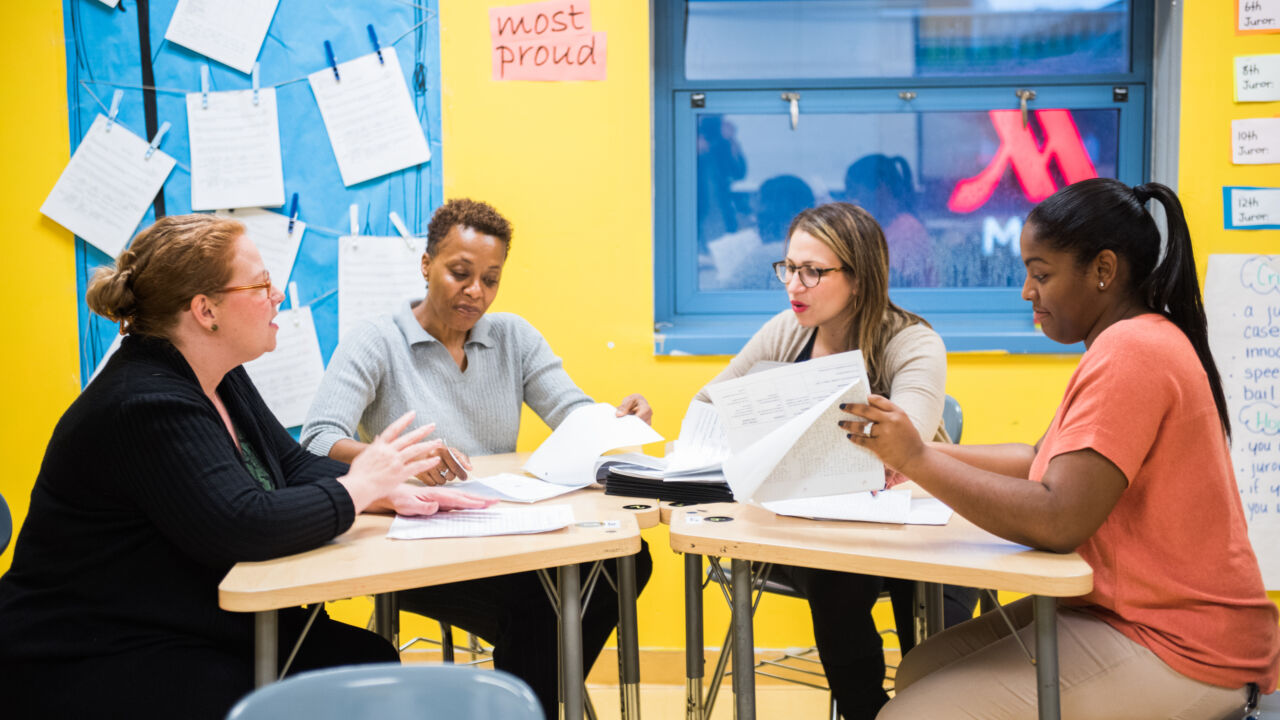
Barr evaluation partners from SRI Education share three insights on what it takes to design for and support whole school change.
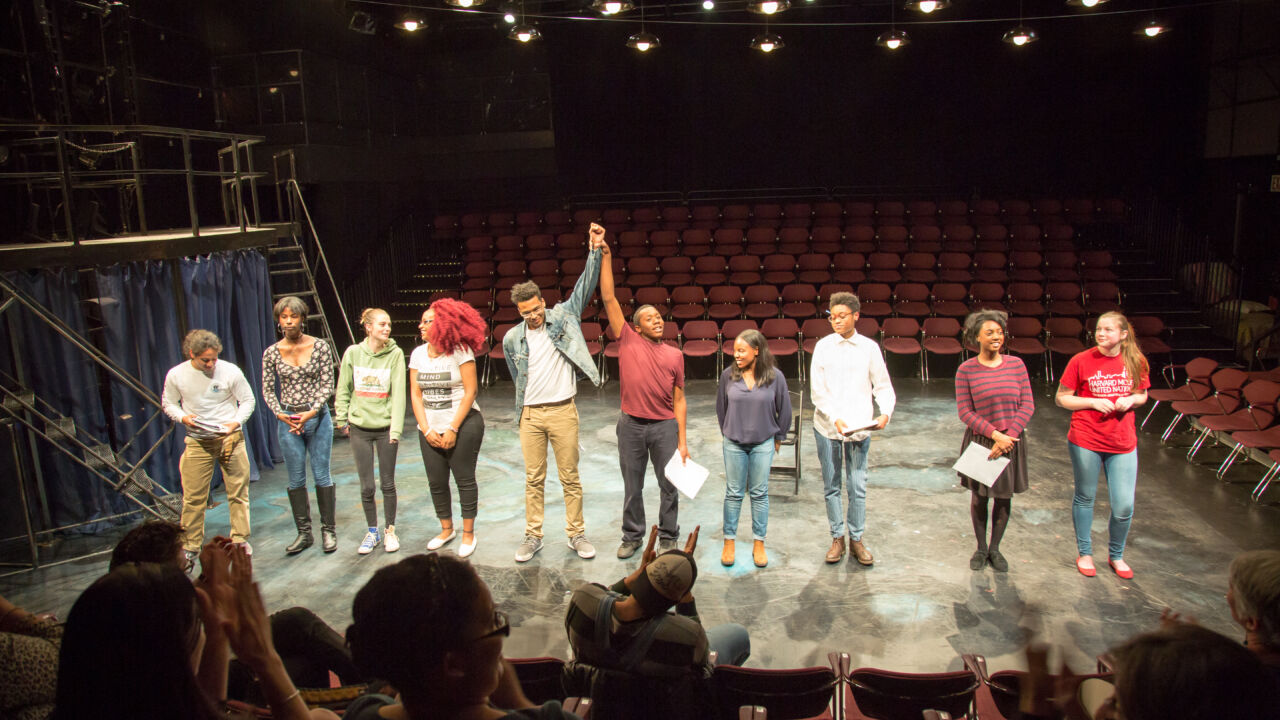
Arts & Creativity Program Officer SueEllen Kroll shares key findings from newly-released evaluations.
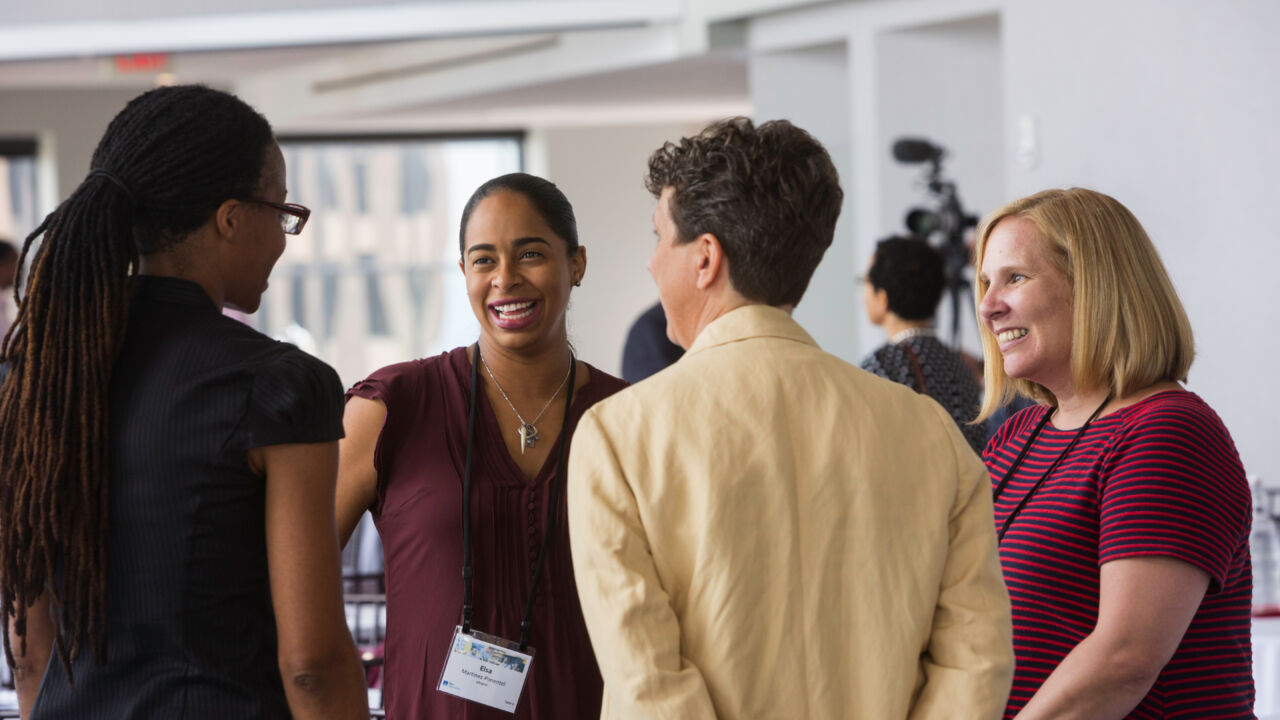
Barr’s VP of Strategy and Programs on why we seek (and share) grantee feedback on what it’s like to work with us.
Read more from staff and partners about what we're learning.
Knowledge Center
LibraryVisit a collection of relevant shared learning from our partners and in our program areas on the Foundation Center’s website. These resources are completely free to access and download.
Barr aims to increase diversity within the Foundation's current pool of research and evaluation partners. We encourage those whose skills and expertise align with our priorities to contact us with the form below.

she/her
Director of Learning & Evaluation

Program Associate, Sector Effectiveness and Learning & Evaluation

Senior Officer, Learning & Evaluation

Senior Learning Officer