Announcing the Barr-Klarman Massachusetts Arts Initiative
Blog Post
A $25 million investment over six years in 29 Massachusetts arts organizations to strengthen financial health and capacity to adapt to change.
A $25 million investment over six years in 29 Massachusetts arts organizations to strengthen financial health and capacity to adapt to change.
Building capacity in the arts to adapt to change
The Barr Foundation and The Klarman Family Foundation believe arts and culture organizations have the potential to catalyze communities through arts experiences, foster connections across disparate issue areas and personal difference, and add value to the cultural vibrancy, social wellbeing, and creative economies of their communities.
But to meet this potential, arts organizations require adequate capital and adaptive capacity to endeavor organizational change in response to shifts in the cultural sector and the communities in which they work.
The Barr-Klarman Massachusetts Arts Initiative aims to build the adaptive capacity of mid-size arts and culture organizations and grow key partnerships statewide. Barr and The Klarman Family Foundation will make an investment of up to $25 million over six years (2018-2024) in the form of multi-year operating and targeted supplemental grants, organizational skills and knowledge-building activities, technical assistance, and coaching.
The Foundations recognize that with this change mandate with the grantee organizations, the Barr‐Klarman Massachusetts Arts Initiative itself must also be nimble, continuously open to learning, and be iterative in its design.
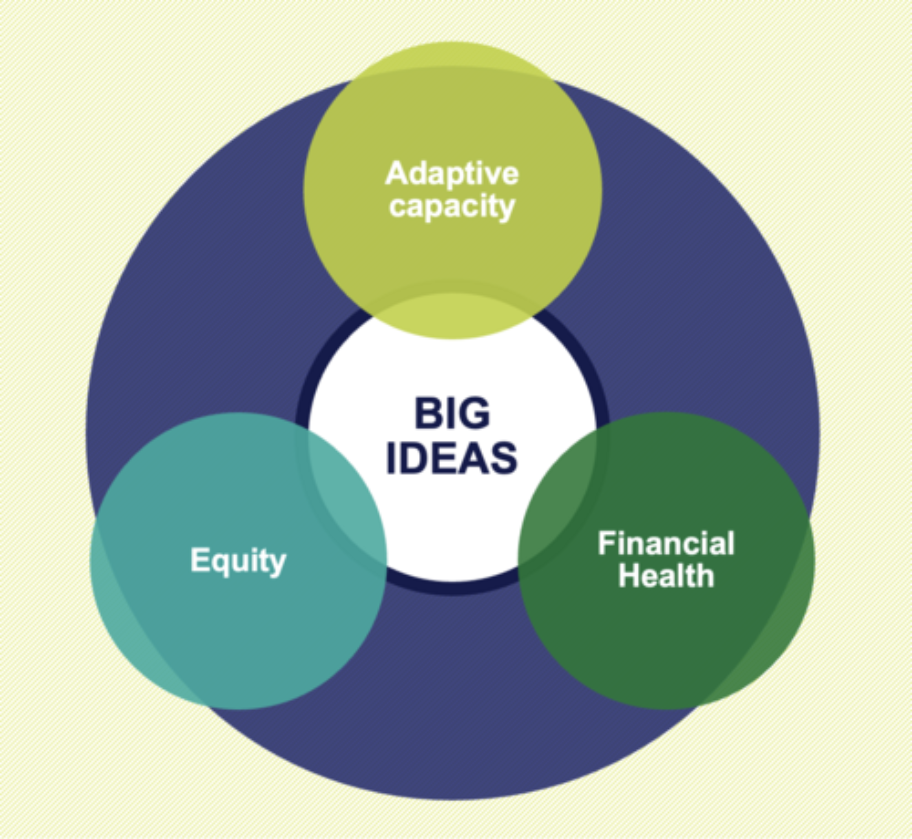
The overarching core pillars for this initiative are financial health, adaptive capacity, and equity, with a focus on racial equity.
Broadly speaking, financial health is rooted in nonprofit behaviors and practices that support annual operating surpluses, pay equity, and strong capitalization. BKMAI focuses on understanding capitalization, the accumulation and application of resources on the balance sheet to support the achievement of an organization’s mission over time. Its absence, undercapitalization, is one of the most pervasive barriers to organizations developing adaptive capacity and addressing organizational inequities. With improved capitalization, organizations are able to allocate resources as needed.
Change demands an organizational practice centered on continuous learning and evaluation, and a cohesive vision and strategy that aligns board and staff. This organizational practice is an adaptive capacity, a set of skills and competencies that bolster an organization to take bold steps in response to external or environmental conditions.
Equity means the systemic fair treatment of all people, across group identity, that leads to equitable opportunities and outcomes. Prioritizing equity is a way to address disparity of resources (i.e., money, power, access, and human resources) and how those resources are structurally allocated to marginalized communities. Marginalized communities may be based on (but not limited to) race, ethnicity, abilities, socio-economic status, gender, and sexuality. There is an urgent need to address equity with a focus on racial equity in arts organizations and in the sector overall. We believe that equitable arts organizations are able to be more adaptive and relevant to diverse communities.
Key components of the initiative
The initiative design includes the following components:
All components are iterative, informed by ongoing learning and evaluation. Along with convenings and informal conversations, annual check‐ins between grantees and the Foundations serve as opportunities for grantees to provide feedback on the initiative’s learning and support services, relationships with the Foundations, and potential impact within their communities.
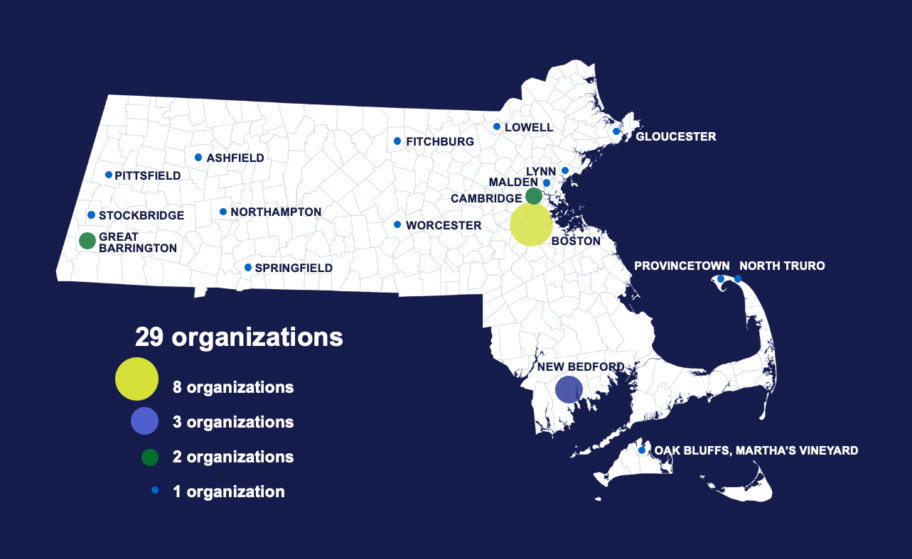
A cohort of 29 arts organizations across Massachusetts representing diversity across artistic disciplines, geographic reach, stages of organizational development, and budget sizes.
First opened in 1891, the 803-seat Academy of Music Theatre (the Academy) in downtown Northampton offers a unique platform for local, national, and international performing artists.
The Academy hosts three resident companies and collaborates with numerous community partners. Through extensive youth programs, the Academy is fostering the next generation of performers, stage technicians, audience members, and arts patrons. During the summer, the Academy offers musical theater workshops for children ages 6-15; during the winter months, it produces a full musical theater production for children ages 9-14. Each year, the Academy presents its own Season Series, produces story slams, classical concerts, and staged dramas, hosts First Night acts and community performing arts events, and screens independent films. In addition, the Academy provides a professional venue to host national and international touring bands and comics. Over the past two seasons, the Academy has offered 148 performances, serving 62,000 patrons. The Academy encourages the use of its venue for social, educational, and professional efforts, and seeks to engage a broad and diverse audience through its programming and outreach.
Barrington Stage Company (BSC) is a not-for-profit professional theatre company in Pittsfield with a three-fold mission: to produce top-notch, compelling work; to develop new plays and musicals; and to find fresh, bold ways of bringing new audiences into the theatre, especially young people.
BSC is the fastest growing arts venue in Berkshire County, attracting more than 60,000 patrons to its 284 performances and events each year. Since its inception in 1995, BSC has developed and produced 32 world premiere plays and musicals, 18 of which have moved on to New York and other major regional theaters. BSC gained national prominence in 2004 with the world premiere of The 25th Annual Putnam County Spelling Bee, which later moved to Broadway and won two Tony Awards. BSC provides community outreach through issue-based symposiums, youth initiatives, and educational programs. BSC’s flagship education program is the award-winning Playwright Mentoring Project, a six-month out-of-school theatrical/education arts program that uses theatre and the creation of original plays as a catalyst to help at-risk youth learn life skills that aid them in developing positive self-images.
Founded in 1993, Community Access to the Arts (CATA) nurtures and celebrates the creativity of people with disabilities through the arts.
CATA provides 1,300 intensive arts workshops to 700 people with disabilities each year in visual art, dance, theater, singing, drumming, juggling, yoga, and creative writing—and then shares their creativity with the greater community through performances and exhibits at major museums, theaters, and cultural organizations. CATA is based on a few groundbreaking ideas: art can transcend difference; creative expression is a right for all; and tiny moments of connection can lead to tidal transformations. By focusing on people with developmental disabilities, CATA serves a population that has not historically had access to high-quality arts instruction and has often been overlooked even within disability culture. CATA unites people through art regardless of their race, income, or diagnosis. Through multi-week classes, CATA artists explore new genres, master rigorous techniques, express themselves creatively, connect with others, and participate in the vibrant cultural life of Berkshire County. Led by 24 Faculty Artists, workshops take place in CATA’s studio in Great Barrington and in schools, day habilitation programs, and residences throughout the community.
Founded in 1983, Community Music School of Springfield (CMSS) provides an equitable and inclusive center of excellence in music and arts education that empowers individuals, inspires creative passion, and promotes wellbeing in the greater Springfield community.
CMSS provides high quality sequential music instruction and programs to help students achieve their highest potential. CMSS fosters a community where music and arts education is accessible to underserved populations through financial aid, scholarships, and community partnerships. CMSS’s community partnerships, such as its nationally recognized Sonido Musica program and its Adaptive Music Program, provide weekly in-school instruction for over 1,000 children in Springfield. CMSS’s Robyn Newhouse Hall serves as a rehearsal and recital space and hosts master classes, concerts, and special community events, many of which are free to the public or offered at a reduced rate. CMSS’s Prelude Preschool of the Arts is the only arts-integrated early childhood education program in Western Massachusetts. Prelude curriculum is based on the belief that children are active participants in the learning process and that they learn and express their understanding of concepts in many creative and artistic languages.
To select the initiative cohort, Barr and The Klarman Family Foundation first developed a set of eligibility and selection criteria based on our experience with the first Barr‐Klarman cohort – factors that we felt were important to an organization’s ability to participate and benefit fully from this type of initiative. Paramount to the following eligibility and selection criteria was a demonstrated commitment to participating in and contributing to the initiative learning agenda.
The databases of the Cultural Data Project and GuideStar – which contain financial information reported to the IRS and organizational information – were used to identify eligible arts organizations in Massachusetts.
The selection process for this six-year initiative is now closed and we will not consider additional applicants.
The Barr Foundation and The Klarman Family Foundation first partnered in 2012, in response to pressing issues in the cultural sector in Boston through the Barr-Klarman Arts Capacity Building Initiative. Over five years, the Barr-Klarman Arts Capacity Building Initiative supported two cohorts of mid-sized arts and culture organizations and youth arts mastery organizations through multi-year grants, training, and technical assistance totaling $22 million. The Boston-based initiative focused learning in: the role of effective capitalization; diversifying audiences; defining and achieving mastery outcomes with youth; and growing cultural competency and proficiency.
An extensive evaluation was completed at the conclusion of the Boston-based initiative, offering important learnings for the Foundations and participating organizations, many of which related to the importance of capitalization for arts and culture organizations, particularly when trying to adapt artistic practices and businesses in the face of changing audiences and stakeholders.
A $25 million investment over six years in 29 Massachusetts arts organizations to strengthen financial health and capacity to adapt to change.
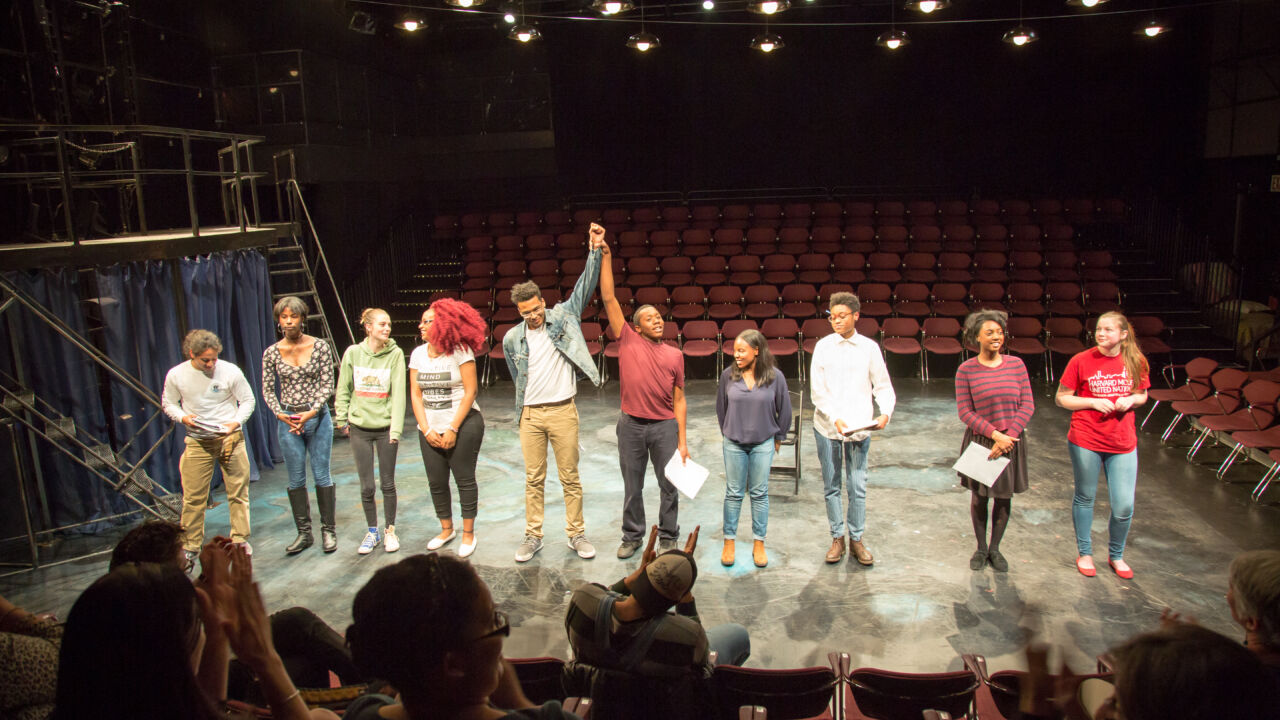
Arts & Creativity Program Officer SueEllen Kroll shares key findings from newly-released evaluations.
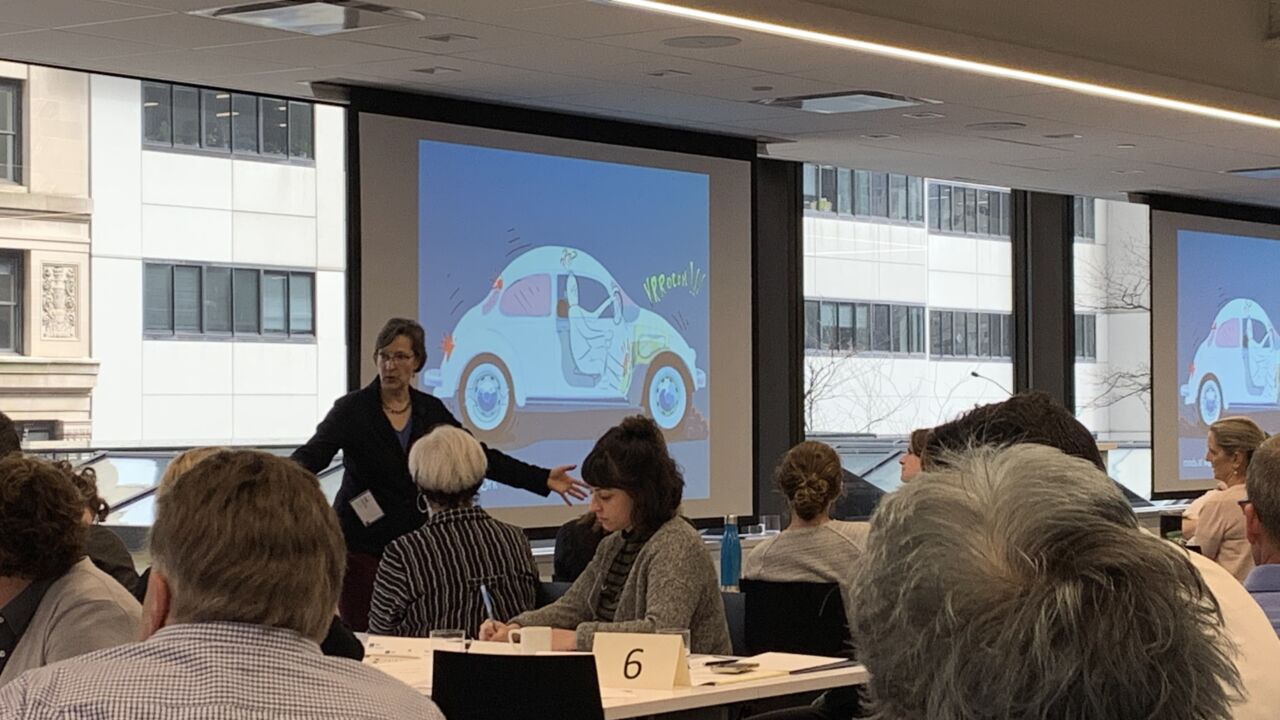
In the first year of a six-year initiative, arts organizations explore three steps to confronting and embracing change.
Change from the Inside Out
Storytelling SeriesHow are arts organizations transforming their policies, practices, and culture to advance equity?